Pre-Congress Workshops
4 MARCH 2026
| Title | Endoscopy in Hereditary GI Cancers | ||
| Details | Date: 4 March 2026 Time: 0900hrs to 1200hrs |
||
| Venue | Dusit Thani Laguna Singapore, Level 5, Albatross & Birdie | ||
| Format | This workshop will combine didactic lectures, case-based discussions, and interactive sessions to ensure active learning and practical application of endoscopy and surgical concepts in the field of hereditary GI cancers. | ||
| Synopsis | A national survey on knowledge and service gaps in hereditary gastrointestinal cancers among healthcare professionals in Singapore noted significant knowledge gaps in the identification and management of such patients. This half day review course has been meticulously designed to bridge the knowledge gap and enhance the identification, management and surveillance of such patients. We will explore key topics in endoscopy phenotypes, surgical advances and techniques and small bowel endoscopy of hereditary GI cancer patients, through a combination of expert-led lectures and case discussions. | ||
| Objectives | By the end of the workshop, participants will be able to: 1. Be confident in endoscopic phenotypes of hereditary GI cancers:
2. Understand surgical advances & techniques in hereditary GI cancers:
Appreciate small bowel surveillance and resection in Peutz–Jeghers (PJ) patients
|
||
| Target Participants | Gastroenterologists, Surgeons, Trainees | ||
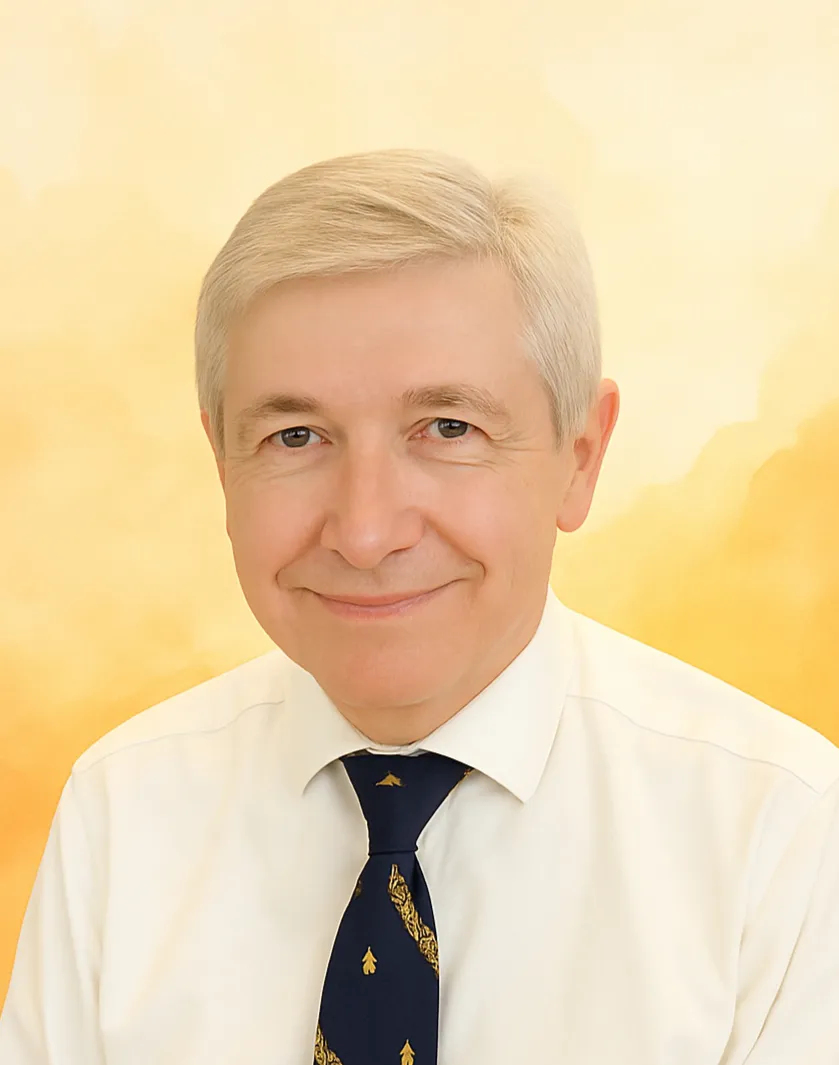
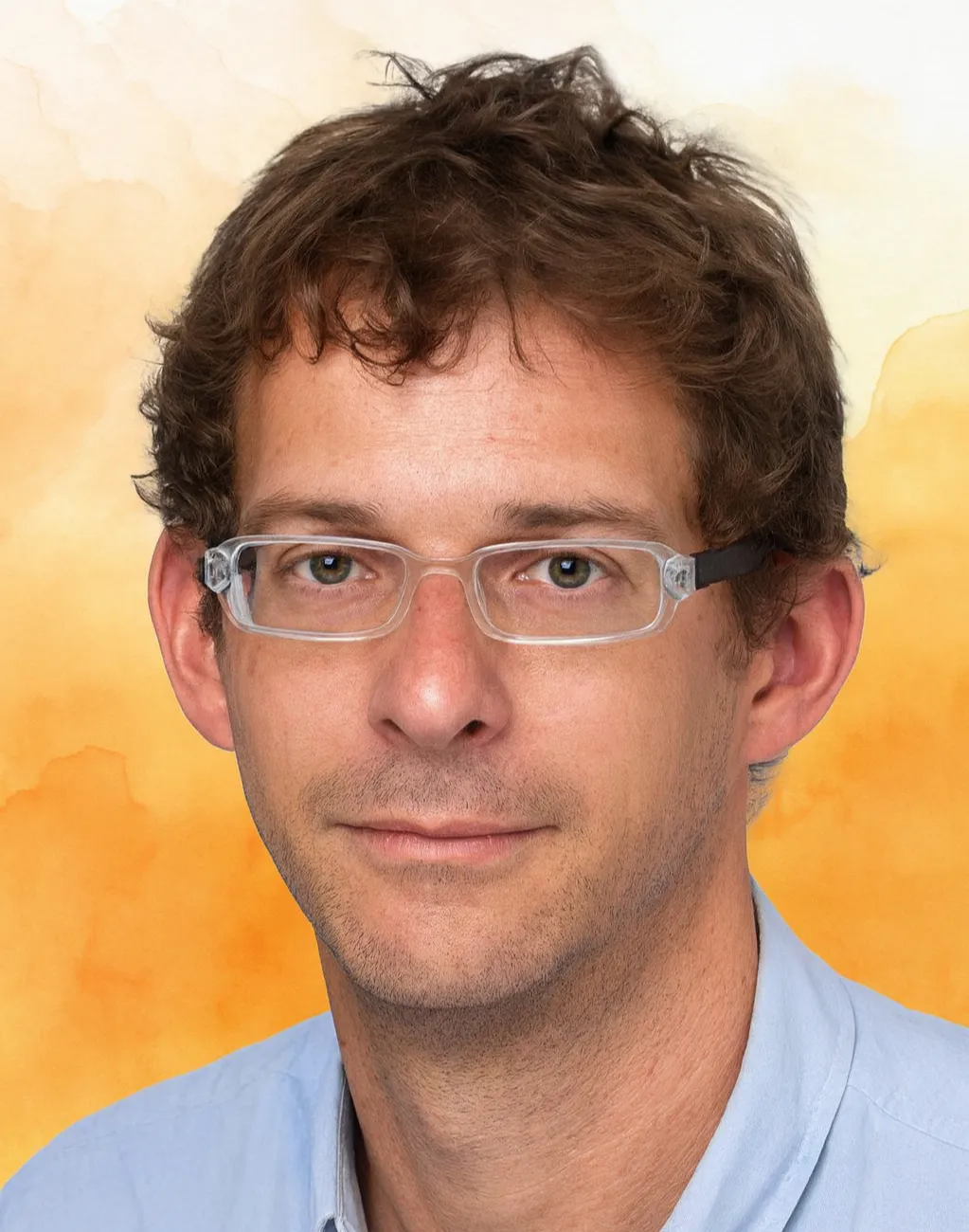
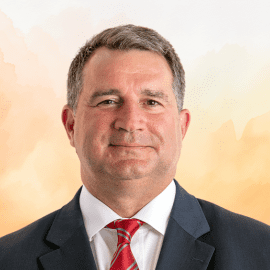
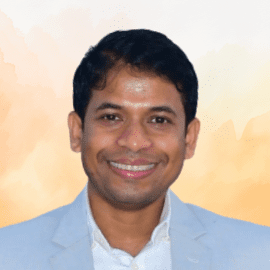
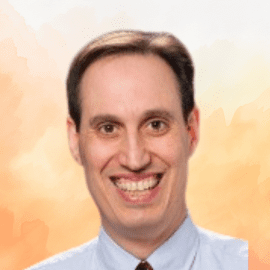
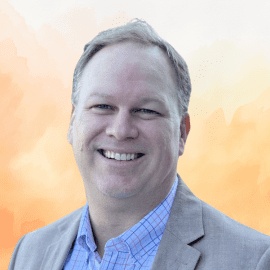
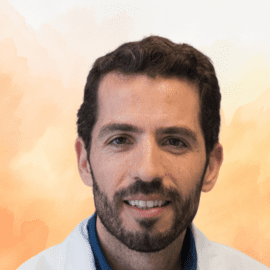
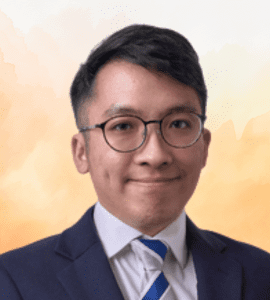
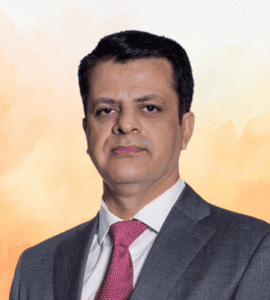
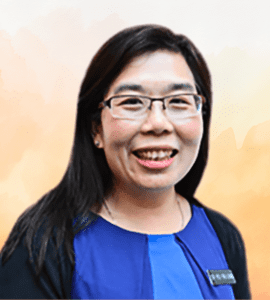
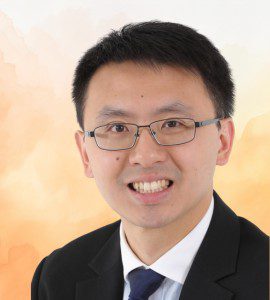
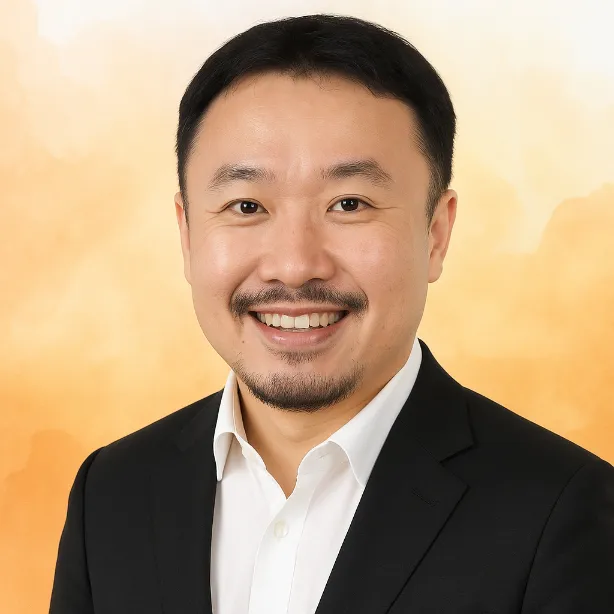
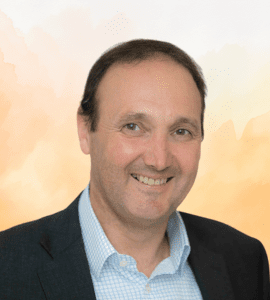
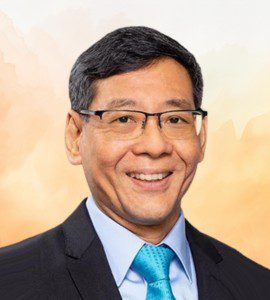
| Faculty | Dr Tan Yu Bin, Singapore Dr Andrew Latchford, United Kingdom Dr Matthew Kalady, United States Dr Evelien Dekker, Netherlands |
||
| Schedule | Time | Description/Title | Faculty/Presenter |
| 09:00-09:30 | Endoscopic phenotypes of hereditary GI cancers | Tan Yu Bin, Singapore | |
| 09:30-09:40 | A systematic examination protocol of the stomach in FAP, illustrated by three cases | Hicham Bouchiba, Singapore Evelien Dekker, Netherlands |
|
| 09:40-10:00 | Case based/video discussions | Andrew Latchford, United Kingdom | |
| 10:00-10:30 | Surgical advances & techniques in hereditary GI cancers | Matthew Kalady, United States | |
| 10:30-10:40 | Rectal preservation through aggressive endoscopic treatment | Hicham Bouchiba, Singapore Evelien Dekker, Netherlands |
|
| 10:40-11:00 | Case based/video discussions | Andrew Latchford, United Kingdom | |
| 11:00-11:30 | Small bowel endoscopy in hereditary GI cancers | Evelien Dekker, Netherlands | |
| 11:30-12:00 | Case based/video discussions | Evelien Dekker, Netherlands | |
| Cost per pax | SGD50/per pax for congress attendees and SGD450-650 for non-congress attendees | ||
|
Title |
Hereditary Gastrointestinal (GI) Cancer Masterclass | ||
| Details | Date: 4 March 2026
Time: 0900hrs to 1200hrs |
||
| Venue | Dusit Thani Laguna Singapore, Level 3, Laguna Ballroom | ||
| Synopsis |
The Hereditary Gastrointestinal (GI) Cancer Masterclass is a focused, expert-led educational session designed clinicians, trainees, researchers, nurses, genetic counsellors and anyone interested in strengthening their understanding of hereditary GI cancer syndromes. This masterclass will introduce the fundamental principles of hereditary GI cancers, from recognising clinical patterns and understanding genetic mechanisms, to interpreting molecular test results and applying management strategies in practice. Participants will also gain insight into multidisciplinary care approaches through interactive case discussions. Whether you are a clinician wanting to better identify hereditary risk, a researcher exploring translational applications, or a trainee seeking structured learning in hereditary oncology, this session provides a practical and engaging foundation to complement the broader InSiGHT 2026 scientific programme. |
||
| Objectives |
By the end of the masterclass, participants will be able to:
|
||
| Target Participants | Clinicians, Trainees, Researchers, Nurses, Genetic Counsellors, and anyone interested to strengthen their understanding of hereditary GI cancer syndromes. | ||
| Faculty | Heather Hampel | Beckman Research Institute, City of Hope | |
| Megan Hitchins | Moffitt Cancer Centre, University of South Florida | ||
| Susan Clark | St Mark’s The National Bowel Hospital | ||
| Sonia Kupfer | Gastrointestinal Cancer Risk and Prevention Clinic, University of Chicago | ||
| Francesc Balaguer | Gastroenterology Department, Hospital Clinic of Barcelona | ||
| Schedule | Time | Description/Title | Faculty |
|
0900 – 0930 |
Hereditary GI Genomics | Heather Hampel (United States) | |
|
0930 – 1000 |
Epimutations in Hereditary GI cancers | Megan Hitchins (United States) | |
|
1000 – 1030 |
Management of Hereditary GI cancers | Susan Clark (United Kingdom) | |
|
1030 – 1050 |
Break |
|
|
|
1050 – 1130 |
Case Studies | Sonia Kupfer (United States)
Francesc Balaguer (Spain) |
|
| Cost per pax | Complimentary for congress attendees and SGD 400 for non-congress attendees | ||
CONTACT US
General Inquiries
Registration Inquiries
Abstract Inquiries