Sponsored Symposium
5 MARCH 2026

| Title | AI in Precision Medicine on AWS | ||
| Details | Date: 5th March 2026 Time: 1540 – 1610 |
||
| Synopsis | This Meet-the-Expert session explores how AI is advancing precision medicine, from scalable cloud platforms to real-world oncology applications. The session begins with an overview of AI in Precision Medicine on AWS, highlighting how cloud-native AI enables secure, scalable analysis of multi-omics and clinical data and supports the translation of research innovations into practice. This is followed by a use case presented by Dr. Mai Chan Lau on Bridging AI, Spatial Omics and Precision Oncology on AWS. In this talk, Dr Lau will first highlight how advanced spatial omics technologies have deepened our understanding of the tumor–immune microenvironment, and share representative studies demonstrating how spatial profiling can reveal novel biomarkers that are critical for patient stratification and treatment decision-making. She will introduce Digital Immune Reporter, an AI platform which aims to enable scalable spatial analysis and biomarker discovery directly from routine histology (H&E) images. Built on AWS, the platform is designed to support scalability, accessibility, and seamless deployment across institutions and clinical environments. Finally, Dr Lau will discuss the potential translational impact of the Digital Immune Reporter across biomedical research, clinical trials, diagnostics, and ultimately, patient care. | ||
| Objectives |
|
||
| Faculty |  |
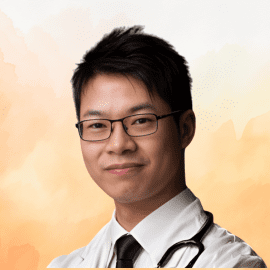
Charlie LEE, Singapore
Dr Charlie Lee is the Genomics Industry Lead for APJ at AWS, with over 20 years of experience spanning research and industry. Holding a Ph.D. in Bioinformatics from the National University of Singapore, he pioneered pathogen detection technologies during the SARS and H1N1 outbreaks at the Genome Institute of Singapore. In the industry, Dr Lee held senior roles at Vela Diagnostics, leading a team to develop and launch over 40 molecular diagnostic products, including the first CE-IVD NGS-based oncology test and the first FDA-approved NGS-based HIV genotyping test. Dr Lee also contributed to an award-winning genomics health platform at Human Longevity Inc, a San Diego-based genomics health intelligence company founded by Prof Craig Venter. At AWS, Dr Lee drives genomics strategies and engagements across APJ, supporting precision medicine initiatives and leveraging cloud and AI to accelerate innovation in healthcare and improve patient outcomes. |
|
 |
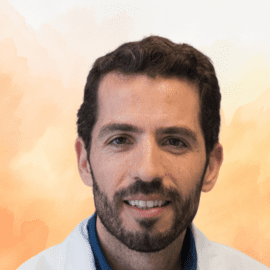
Mai Chan LAU, Singapore
Dr. Mai Chan Lau earned her PhD from the National University of Singapore, focusing on high-performance GPU research. She began her postdoctoral training at the Singapore Immunology Network (ASTAR), focusing on single-cell immunology bioinformatics. Following this, she moved to Boston, USA, where she leveraged AI and machine learning for Molecular Pathological Epidemiology (MPE) studies, using tissue-based multi-marker technology at Dana-Farber Cancer Institute, Brigham and Women’s Hospital, and Harvard Medical School. In 2021, she returned to Singapore and joined the Institute of Molecular and Cell Biology (ASTAR), expanding her research to spatial transcriptomics and AI. In November 2022, she established her own laboratory at the Bioinformatics Institute (ASTAR), concentrating on advanced spatial multi-omics studies using AI and quantum computing. Concurrently, she leads the Computational Immunology Platform at the Singapore Immunology Network (ASTAR). |
||
| Schedule | Time | Description/Title | Speaker |
| 1540 – 1550 | AI in Precision Medicine on AWS | Charlie Lee | |
| 1550 – 1610 | Use Case: Bridging AI, Spatial Omics and Precision Oncology: Digital Immune Reporter |
Mai Chan Lau | |

|
Date |
March 5 2026 |
||
|
Time |
10:40 (30 mins) |
||
|
Title |
Diving deeper into the genome with TruPath™ Genome |
||
|
Synopsis |
This session will showcase the latest advances in Illumina’s trusted NGS technology, designed to deliver deeper genomic insights critical for clinical research. Discover how TruPath Genome technology enables high-resolution detection of complex variants, including structural variation and haplotype phasing—key factors in understanding disease mechanisms. Hear directly from industry experts on the science behind this approach and see how it has been successfully applied in a clinical research setting to improve detection of Lynch Syndrome, offering practical strategies for enhancing diagnostic accuracy and patient outcomes. |
||
|
Objective |
Understand the principles and advantages of TruPath Genome long-read sequencing. Learn about the technical features and performance of the TruPath Genome workflow. Gain practical insights from a case study on Lynch Syndrome demonstrating successful application in a research setting. |
||
|
Goal |
To increase awareness of the TruPath Genome solution with clinical research audience |
||
| Faculty |  |
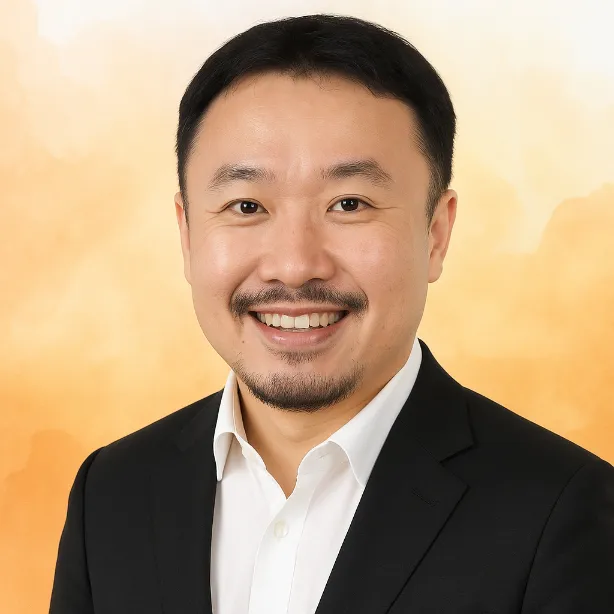
Simeen Malik, Singapore Simeen Malik is a Director, Bioinformatics at Illumina, based in Singapore, where she oversees the Singapore Bioinformatics teams responsible for developing and sustaining Illumina software solutions within Illumina’s R&D organization. She leads a bioinformatics data science team within the BioInsight group. Her work enables the creation of large clinicalgenomic datasets and the application of advanced analytical methods, including machine learning and statistical approaches, to support decisionmaking across preclinical and clinical programs. She also provides bioinformatics and end-to-end expert knowledge to support to all regional large national Genomics initiatives, such as PRECISE among others.Prior to Illumina, Simeen was an Associate Director in Scientific Informatics at Merck Research Laboratories IT (MSD), leading local bioinformatics for oncology and auto immunity trials and productmanaging a global cloud initiative for cytometry research across seven sites. She has deep experience in singlecell RNAseq, including pipeline design, data and metadata curation, and interactive visualization platforms. At DukeNUS, she helped establish POLARIS—Southeast Asia’s first CAPcertified NGS lab—and the SingHealth Exome Consortium, delivering clinical reporting and populationscale genomic resources. Her research contributions include the TCGA breast cancer study and a body of peerreviewed work in Nature, Genome Biology, Journal of Molecular Diagnostics and other outlets. Simeen earned her Ph.D. at Baylor College of Medicine and her B.S. at The University of Texas at Austin. |
|
 |
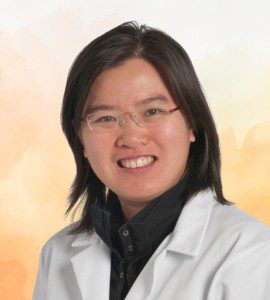
Alvin Ng, Singapore
Dr Alvin Ng is the Dean’s postdoctoral fellow in Lee Kong Chian School of Medicine working on using cutting-edge sequencing methodologies to understand the mutational processes underlying a variety of cancers. He recently joined Prof Joanne Ngeow’s laboratory to study cancers associated with DNA repair defects in colorectal, breast and ovarian cancers. Alvin was trained in computational biology and genomics in his PhD in Duke-NUS Medical School studying liver cancers exposed to carcinogenic compounds associated with plans from the genus Aristolochia and helped develop computational tools to detect mutational signatures in patient tumours. In his postdoctoral training in the Early Cancer Institute, Cambridge. He is focused on using a combination of short and long sequencing methods to detect mutational processes associated with DNA repair defects and to understand how complex rearrangements arise in cancers. His recent work focused on the biology of complex extrachromosomal circles and large structural variants in esophageal cancers that are potent drivers or cancer evolution. |
||
| Agenda: | ||
|
Time |
Topic |
Speaker |
|
10:40 – 10:45 |
Welcome and speaker introduction |
Joanne Ngeow |
|
10:45 – 10:55 |
Technology Overview TruPath Genome – an exciting new approach to obtain deeper insights into the genome |
Simeen Malik |
|
10:55 – 11:10 |
Technology Use-Case Real-world application of TruPath Genome to Detect Lynch Syndrome |
Alvin Ng |
|
11:10 – 11:15 |
Concluding Remarks |
|
6 MARCH 2026

| Title | Meet the Expert Session by PacBio | ||
| Date | 1030 – 1100 hr | ||
| Venue | Laguna Ballroom | ||

|
Title |
Reveal more cancer biology with ultra-rich Oxford Nanopore sequencing data | ||
| Details | Date: 6th March 2026
Time: 1540 – 1610 |
||
| Synopsis | The genetic underpinnings of cancer are diverse and contain many types of genomic aberration. Accurate detection of genetic variants is essential but often limited by standard-of-care sequencing methods, which can miss complex structural variants (SVs), intronic regions, and epigenetic modifications.
Now, with Oxford Nanopore technology, researchers are going beyond next-generation sequencing (NGS), generating sequencing reads of any length, including ultra-long reads (>4 Mb achieved) that can span complex genomic regions. This, combined with integrated base modification detection, and real-time results, means that nanopore oncology sequencing delivers a streamlined and rapid solution for complete characterisation of cancer and tumour samples. |
||
| Objectives | In this session, you will learn about Oxford Nanopore hereditary cancer panel, enabled through adaptive sampling, a real-time, on-device enrichment method unique to Oxford Nanopore sequencing. How it enables comprehensive detection of single nucleotide variants (SNVs), insertions/deletions (indels), SVs, pseudogenes, repetitive regions, direct methylation profiling, alongside low-pass whole-genome coverage to enable copy number variant detection in a flexible workflow to characterize variants in hereditary cancer susceptibility genes. You will hear real world performance of the panel, its efficiency and variant detection accuracy, and how laboratories can achieve faster, more cost-effective, and comprehensive genetic insights to support precision oncology. | ||
| Faculty |
|
Manop Pithukpakorn, Thailand
Dr. Manop Pithukpakorn is an internist, clinical and molecular geneticist. He is currently a Professor of Medicine at the Faculty of Medicine Siriraj Hospital, Mahidol University, Thailand. Dr. Pithukpakorn received his medical degree from the Faculty of Medicine Siriraj Hospital, Mahidol University, residency training in Internal Medicine from the University of Illinois Chicago, and fellowship in Clinical Genetics and Molecular Genetics from the National Human Genome Research Institute (NHGRI), National Institutes of Health (NIH), USA. Dr. Pithukpakorn’s current research projects are genomic investigations in various Mendelian disorders and Thailand Cancer Precision Medicine; by utilizing genome sequencing technology, computational analysis, systems biology and high-throughput drug screening for comprehensive studies of various cancers in Thai population. Genomics Thailand Initiative is the first inter-ministerial project aiming to implement genomic medicine into national healthcare system and build a population-level genome database. The project will utilize genome sequencing and other genome technology for healthcare service in 5 main areas including cancers, rare diseases, pharmacogenomics, infectious diseases and non-communicable diseases. Dr. Pithukpakorn is the initiative’s head of research and development working group and is overseeing cancer program of Genomics Thailand. |
|
|
|
Lei Tong, Singapore
Lei leads the APAC Sales Specialist organisation, driving commercial strategy and execution across diverse research and clinical genomics markets throughout Asia-Pacific. She oversees segment development in genetic disease, oncology, infectious disease, and large-scale population genomics, working closely with regional teams to accelerate adoption of long-read sequencing and deliver scalable regional growth. |
||
| Schedule | Time | Description/Title | Speaker |
| 1540 – 1550 | Session opening & introduction | Lei Tong | |
| 1550 – 1605 | Close the Gap in Cancer Genomics with Ultra-Rich Oxford Nanopore Sequencing Data | Manop
Pithukpakorn |
|
| 1605 – 1610 | Q&A | All | |


CONTACT US
General Inquiries
Registration Inquiries
Abstract Inquiries